
Change your browser to Desktop Site format for preferable newsletter layout

HFEM Newsletter | July 2025 | Page 2

Connet with HFEM!
Stay connected with us and keep up with the latest ergonomics and human factors! Follow our official social media pages for valuable insights, expert tips, and updates from the Human Factors and Ergonomics Malaysia Society (HFEM) and HFEM Academy. We’ve got you covered from upcoming events and conferences to in-depth discussions on creating safer and more efficient workspaces! https://hfem.org/online-registration/
ADAS: A Smarter Way to Stay Safe
Nowadays, many modern passenger vehicles are equipped with Advanced Driver Assistance Systems (ADAS). It is intelligent systems that support safe driving. These systems are designed to assist drivers in real-time, particularly when human alertness deteriorate. For instance, a sensor that detects lane deviation may trigger an alarm if the driver does not drive in the proper lane. Other than that, an alarm sensor will be activated if the distance between the front and rear vehicles is excessively nearby. Furthermore, if the vehicle lacks this technology, the driver has the option to acquire an alternative product that is currently available in the market to serve as an alert. For instance, the smart seat pads and wearable jackets that equipped with a vibrate or beep sound when detecting any signs of fatigue.

Dr.-Ing Nor Kamaliana Binti Khamis Treasurer, Human Factors and Ergonomics Society Malaysia (HFEM)
Universiti Kebangsaan Malaysia
JULY Columnist

MICROSLEEP - How to Stay Safe Behind the Wheel
Have you ever heard this phrase while driving — “Babe, are you sleeping?”
If yes, it might be time to take that warning seriously.
According to recent road accident statistics, driving fatigue remains one of the leading causes of road mishaps. But what exactly causes fatigue while driving — and how can we prevent it?
So, how can we detect driving fatigue?
Driver performance can be assessed by observing how the driver reacts and respond to the driving or task demand. In simple words, this involves driving behaviour, such as variations in keeping to the lane, steering inputs, and speed control. But it not only through these assessments, it also can be observed via physiological and in-cabin measures such as from heart rate variability, eye closure and so on.
How and why driving fatigue occurs? There are various factors lead to this situation.
Driving may seem like a routine task, but it is physically and mentally demanding. When driving, the vehicle often serves as the driver’s office with limited room to move. Drivers spend long periods in a confined space, while trying to maintain their posture consistency and focus, Throughout the driving activity, drivers have direct physical contacts with the road environment and car components. When driving, it is essential for all the necessary parts of the car controls such as steering wheel, pedals and gear to be within easy reach so that drivers can fulfil the driving task. Restricted driver workspaces may hinder drivers from adopting their preferred driving postures. Fatigue may occurred due to prolonged sitting in the constrained space and restricted posture, resulting to insufficient oxygen supply to the body. This condition may lead to discomfort and fatigue. Over time, it will convert into severe pain and possible injury if untreated.
Do we have any technologies to combat driving fatigue to be occurred?
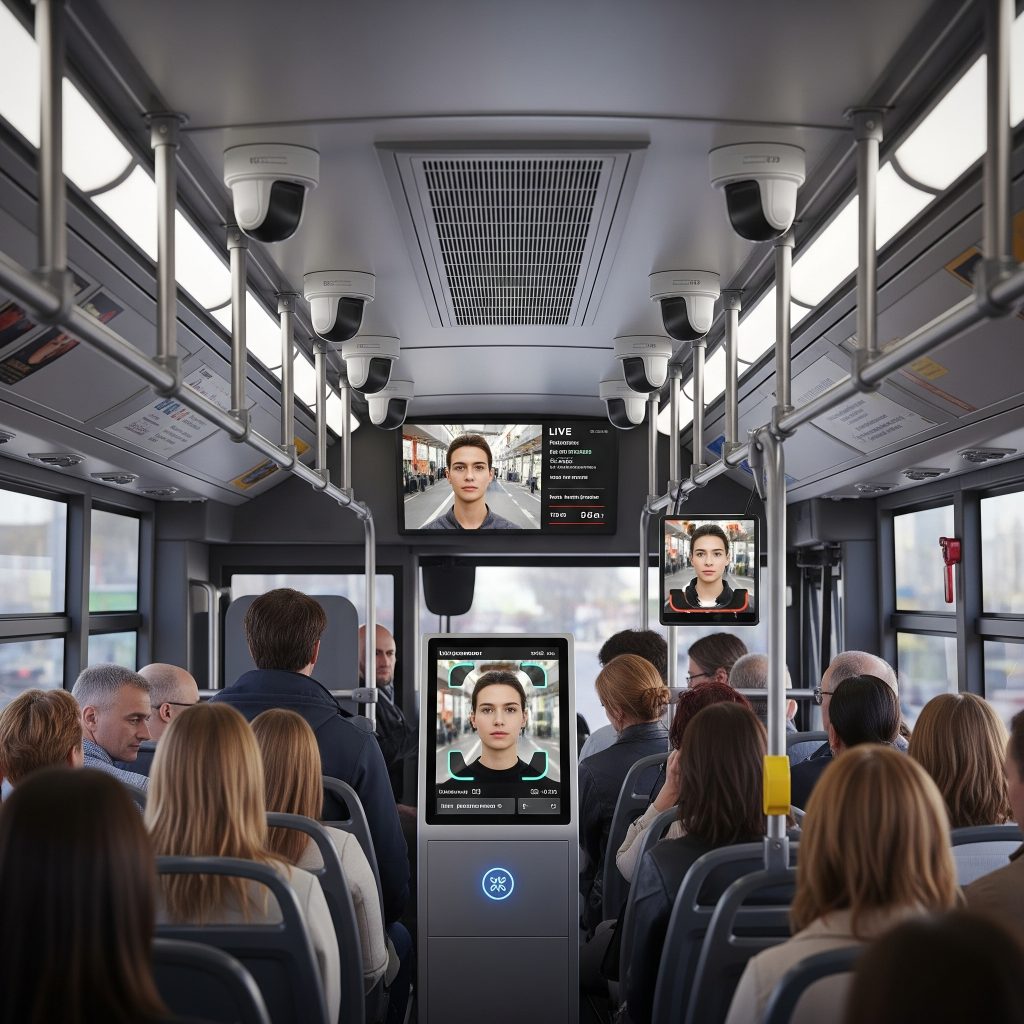
Indeed, there are numerous technologies that are currently available to identify fatigue through factors such as eye closure, motion, and behavior. Facial recognition technology is one of the techniques used to identify indicators of fatigue in drivers. The system monitors eye behavior and facial movements to detect indicators of fatigue, including microsleeps and drooping eyelids. Typically, the system notifies the driver via an alarm or vibration to encourage them to take a break when it detects signs of fatigue.
Safety Starts with Us, Backed by Technology
It is important to note that these tools can be helpful in preventing or detecting driving fatigue, but they should not be relied upon as the only means of preventing fatigue-related accidents. Drivers should also make sure to get enough rest before driving, take regular breaks, and avoid driving during periods of low alertness, such as late at night or early in the morning.
Bear in our mind, as normal human, it is important to remember that we cannot fight sleep. It is natural reaction when we are tired. However, we have technologies and strategies on how to prevent fatigue or micro sleep. Lets’ stay safe together!

HUMAN FACTORS AND ERGONOMICS SOCIETY MALAYSIA
Level 3 & 4, Wisma Suria, Jalan Teknokrat 6, Cyber 5, 63000 Cyberjaya, Selangor, Malaysia
Phone: 03-8314 3360 E-mail: secretary@hfem.org